
Why Wallpaper Pricing Seems Complicated
Few interior products confuse buyers like wallpaper. One shop quotes per roll, another per square foot, a third bundles installation, and the rolls themselves come in different sizes from different countries. A Korean roll and a European roll are not the same quantity of wallpaper, so comparing their prices directly is meaningless.
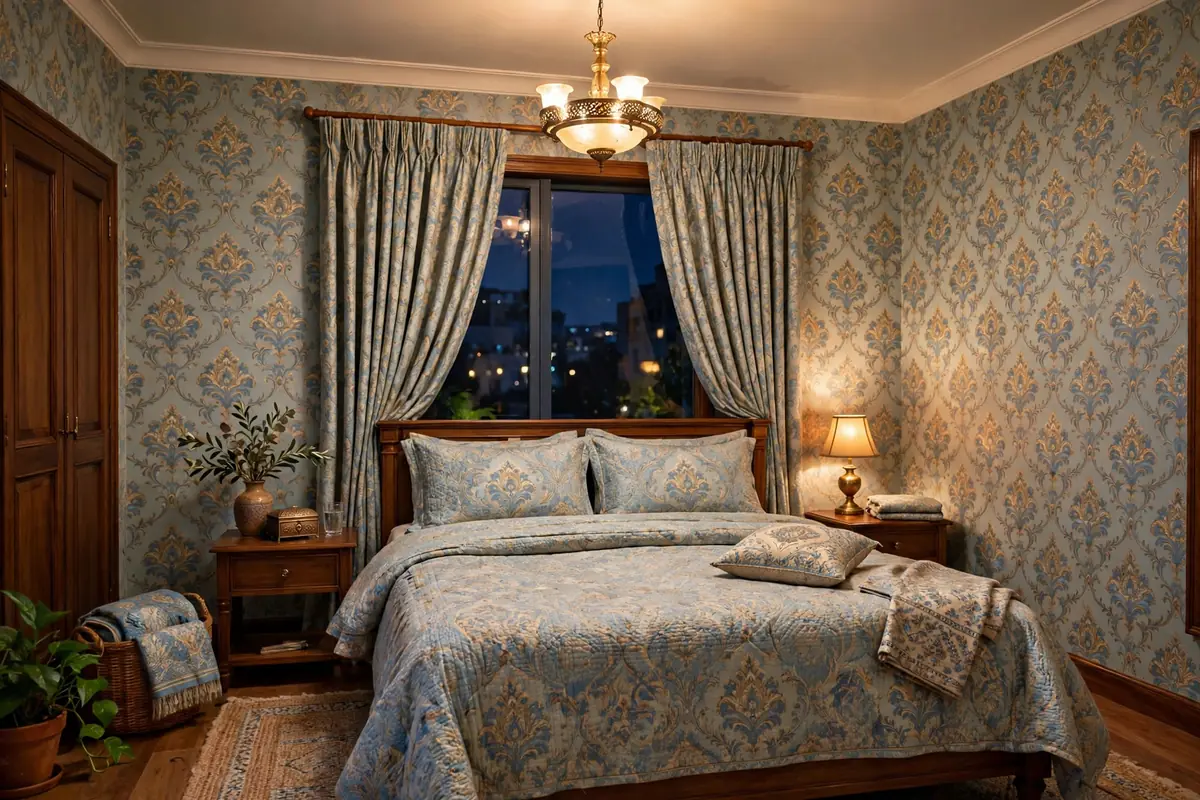
Add the design dimension: a simple textured wallpaper and an intricate 3D design differ enormously in production cost. Then there is installation, which ranges from straightforward to highly skilled depending on pattern matching requirements.
This guide untangles wallpaper pricing in Pakistan: how rolls are measured, what drives the per-roll cost, what installation involves, and how to compare quotes honestly. BPC Company supplies and installs wallpapers alongside our wall paneling services from our Islamabad and Swat branches.
Understanding Wallpaper Rolls: Sizes and Coverage
The first thing to know is that not all rolls are equal. Common roll sizes in the Pakistani market include:
Korean wallpapers. Typically sold in rolls covering a modest area per roll. Korean designs are popular in Pakistan for their contemporary patterns and reliable quality. Because the roll covers less wall area, you need more rolls for the same room compared to larger-format rolls.
European wallpapers. Generally larger rolls covering more area per roll. European designs span from classic to avant-garde, and the per-roll price reflects both the larger quantity and often the design pedigree.
Chinese wallpapers. Wide range of sizes and price points. Quality varies significantly by manufacturer, which is why supplier reputation matters.
The critical number is not the roll price but the cost per square foot of wall coverage. A Rs. X Korean roll covering Y square feet and a Rs. Z European roll covering W square feet can only be compared on the per-square-foot basis. Always ask the supplier for the roll's coverage area, then divide.
Pattern repeat affects real-world coverage. Wallpapers with large pattern repeats waste more material during installation because each strip must be aligned to continue the pattern. A plain textured wallpaper with no pattern matching uses nearly the full roll. A large-motif design can waste 15-25% of the roll in offcuts. Your installer should account for this when calculating how many rolls you need.
What Drives Per-Roll Cost
Country of origin and brand. European designer wallpapers command premium prices. Korean wallpapers sit in the mid-range with strong design value. Chinese wallpapers range from budget to surprisingly good mid-range options. Brand reputation within each category also matters.
Material and construction. Vinyl-coated wallpapers, which resist moisture and can be wiped clean, cost more than basic paper wallpapers. Non-woven wallpapers, which are dimensionally stable and easier to install, sit at a higher price point. Fabric-backed and specialty finishes (metallic, 3D embossed, natural fibers) are premium categories.
Design complexity. Intricate patterns, metallic inks, embossing, and special effects cost more to produce. A simple grasscloth texture and a hand-finished metallic geometric are different products at different prices.
Roll size. Larger rolls cost more per roll but often less per square foot. Compare on coverage, not roll price.
Collection and exclusivity. Current-season designer collections cost more than stock or clearance designs. If budget matters, asking about previous-season collections can yield significant savings on quality wallpapers.
Installation: The Often-Underestimated Half
Wallpaper installation quality determines whether an expensive wallpaper looks expensive or looks like a mistake. The factors:
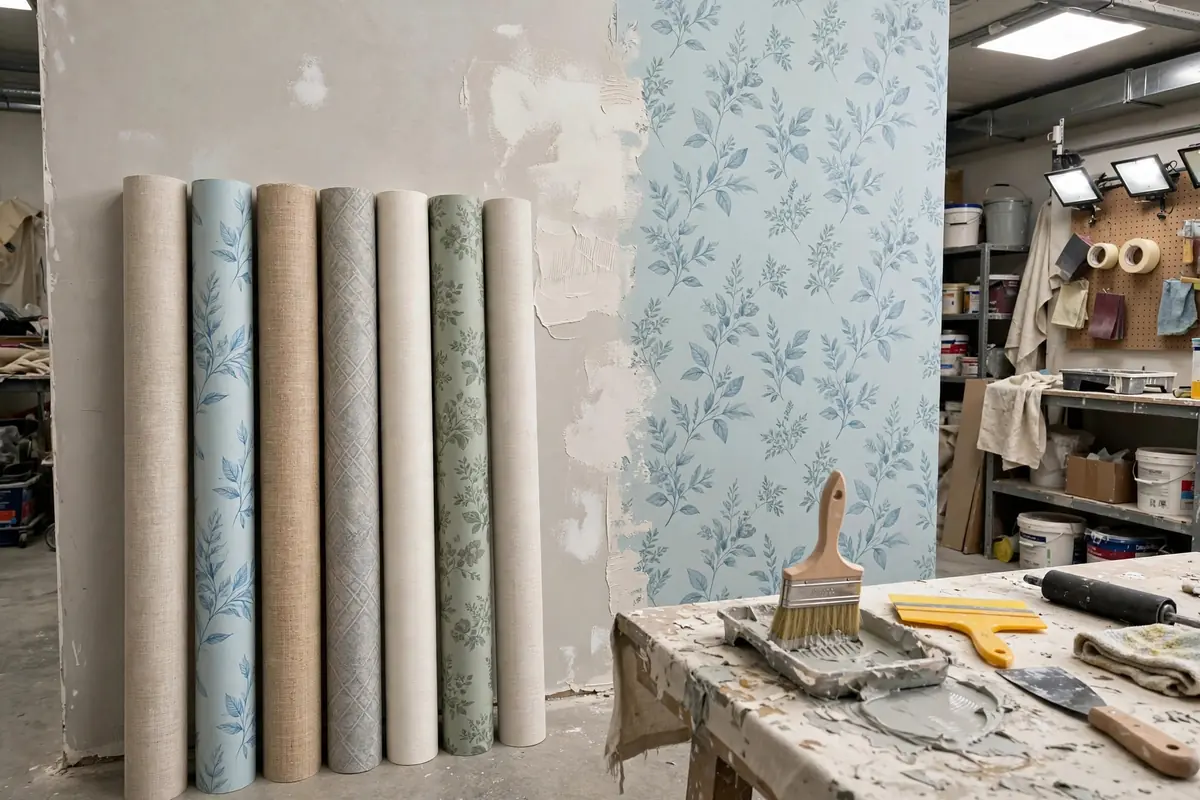
Wall preparation. Walls must be smooth, clean, dry, and properly primed. Damaged walls need skimming and sanding. Freshly plastered walls need sealing. Poor preparation shows through wallpaper mercilessly, especially with thinner wallpapers and darker colors. Preparation is skilled labor and a real cost component.
Pattern matching. As discussed above, patterned wallpapers require careful alignment. This takes more time and more material than plain wallpapers. Complex patterns on multiple walls, around doors and windows, demand experienced installers.
Adhesive and technique. Different wallpaper types need different adhesives and application methods. Non-woven wallpapers typically use paste-the-wall technique. Traditional papers need paste-the-paper with booking time. Using the wrong method causes bubbles, peeling, or seam failure.
Room complexity. A simple rectangular bedroom wall is straightforward. A stairwell, a wall with many doors and windows, or a ceiling application takes significantly more skill and time.
Installer skill. This is the variable that most affects the final result. Experienced wallpaper installers are craftsmen. Their work looks seamless. Inexperienced installers leave visible seams, misaligned patterns, and bubbles. When comparing installation quotes, ask about the installer's experience specifically with wallpaper, not just painting.
Per-Roll vs Per-Square-Foot vs Turnkey Quotes
You will encounter three quoting styles:
Per-roll material quotes. The shop sells you rolls. You arrange installation separately. This works if you have a trusted installer, but coordinating material quantities and installation quality is your responsibility.
Per-square-foot installed quotes. The supplier quotes a rate per square foot of wall area, covering material and installation. This is convenient for comparison, but confirm what it includes: which wallpaper, what preparation, and whether pattern waste is accounted for.
Turnkey room quotes. A fixed price for wallpapering a specific room or wall, including all materials, preparation, and installation. The most transparent option when the scope is clearly defined.
BPC works on the turnkey model: we assess your walls, recommend suitable wallpapers within your budget, calculate accurate quantities including pattern waste, prepare the walls properly, and install to a professional standard. One quotation, one accountable team.
Wallpaper vs Paint: The Cost Conversation
Clients often ask whether wallpaper or paint is cheaper. The honest answer: quality paint is cheaper upfront than quality wallpaper installed professionally. Wallpaper's value proposition is not lowest cost but design impact. A feature wall in designer wallpaper transforms a room in a way that paint alone rarely achieves.
The smart budget approach used by many of our clients: paint most walls, wallpaper one feature wall per room. This delivers the design drama at a fraction of whole-room wallpapering cost. Our wallpaper and wall paneling consultations routinely propose this balance.
Durability also factors in. Quality vinyl-coated wallpapers in low-traffic areas last many years without needing the repainting cycle that painted walls require. In children's rooms or high-traffic corridors, the washability of vinyl wallpapers is a practical advantage.
Getting Wallpaper from BPC
We start with your rooms and your budget. Our team shows wallpaper options across price ranges, calculates accurate quantities for your specific walls including pattern waste, assesses wall preparation needs, and provides a written turnkey quotation.
For Islamabad, Rawalpindi, and Jhelum, WhatsApp 03126175608. For Swat, Shangla, Dir, Buner, and Peshawar, WhatsApp 03327723737.
If you are considering wall treatments beyond wallpaper, our wall paneling options include WPC fluted panels and French molding, which combine beautifully with wallpapered feature walls.
FAQs
How is wallpaper priced in Pakistan: per roll or per square foot? Both conventions exist. Shops often quote per roll, while installers may quote per square foot. Since roll sizes differ by country of origin, always convert to cost per square foot of wall coverage for honest comparison.
How many rolls do I need for one wall? It depends on the wall dimensions, the roll's coverage area, and the pattern repeat. Plain wallpapers need less; large-pattern designs need more due to matching waste. We calculate this precisely during our site assessment rather than guessing.
Is wallpaper installation difficult? Professional installation requires skill, especially for patterned designs. Wall preparation, pattern matching, and seam finishing separate good results from poor ones. We strongly recommend professional installation for any wallpaper you have invested in.
Can wallpaper be applied over existing paint? Yes, if the paint is sound, clean, and not peeling. Glossy paints may need light sanding for adhesion. Damaged paint must be repaired first. Our installers assess the existing surface before proceeding.
How long does wallpaper last? Quality wallpapers in normal residential conditions last many years. Vinyl-coated options in particular resist wear and can be wiped clean. Lifespan depends on the wallpaper quality, installation quality, room conditions, and sun exposure.
Can wallpaper be removed later? Yes. Non-woven wallpapers are designed for relatively clean removal. Traditional papers may need steam or chemical strippers. Professional removal avoids wall damage. If you anticipate frequent redecoration, mention it during selection as some types remove more cleanly than others.
Is wallpaper suitable for humid rooms? Vinyl-coated wallpapers handle humidity better than paper wallpapers and suit kitchens and well-ventilated bathrooms. For consistently wet areas, we generally recommend wall panels over wallpaper. Discuss the specific room during consultation.
What is the difference between Korean, European, and Chinese wallpapers? Primarily design heritage, roll sizes, and price positioning. Korean wallpapers offer contemporary designs at mid-range prices. European wallpapers include premium designer collections. Chinese wallpapers span budget to mid-range with varying quality. We stock options across these categories and recommend based on your design taste and budget rather than origin alone.
You May Also Like



Still have questions?
Chat with our team on WhatsApp for a free site visit and written quotation. We reply within minutes during working hours.