
The Real uPVC vs Aluminium Debate in Pakistan
Walk into any window market in Pakistan and you will hear strong opinions. Aluminium fabricators will tell you uPVC is plastic that will not last. uPVC suppliers will tell you aluminium is outdated and wasteful. Both are selling something, so neither gives you the full picture.
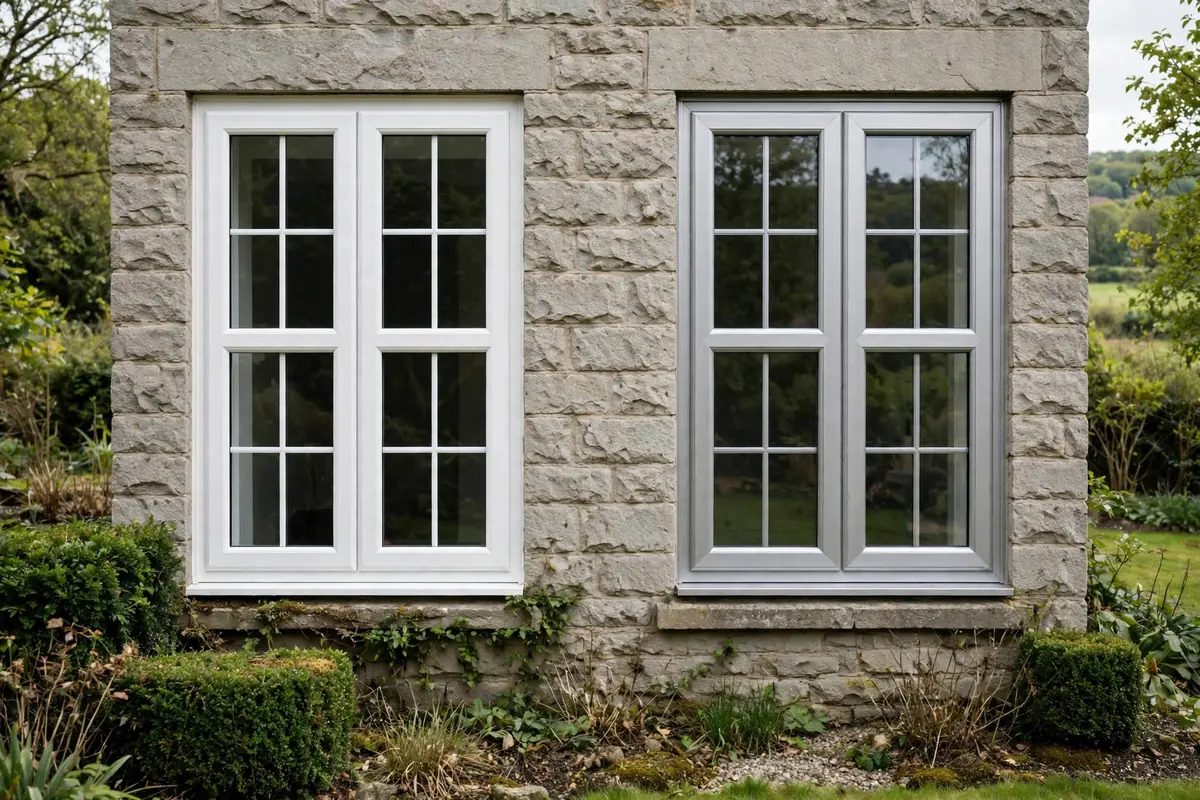
This guide compares uPVC windows vs aluminium windows honestly, covering insulation, cost, maintenance, durability, and suitability for Pakistani conditions. No winner is declared, because the right choice depends on your priorities, your budget, and your building.
BPC Company specializes in uPVC window systems (Yagmurpen Turkish and Zhongcai Chinese), supplied and installed from our Islamabad branch (Plaza 54, MB Commercial, DHA Phase 2) and Swat branch (near 3 Friends CNG Pump, G.T. Road, Qamber, Mingora). We are upfront about that. But we will also tell you where aluminium makes sense, because an honest comparison helps everyone make better decisions.
Thermal Insulation: uPVC Wins Clearly
This is the most significant difference between the two materials.
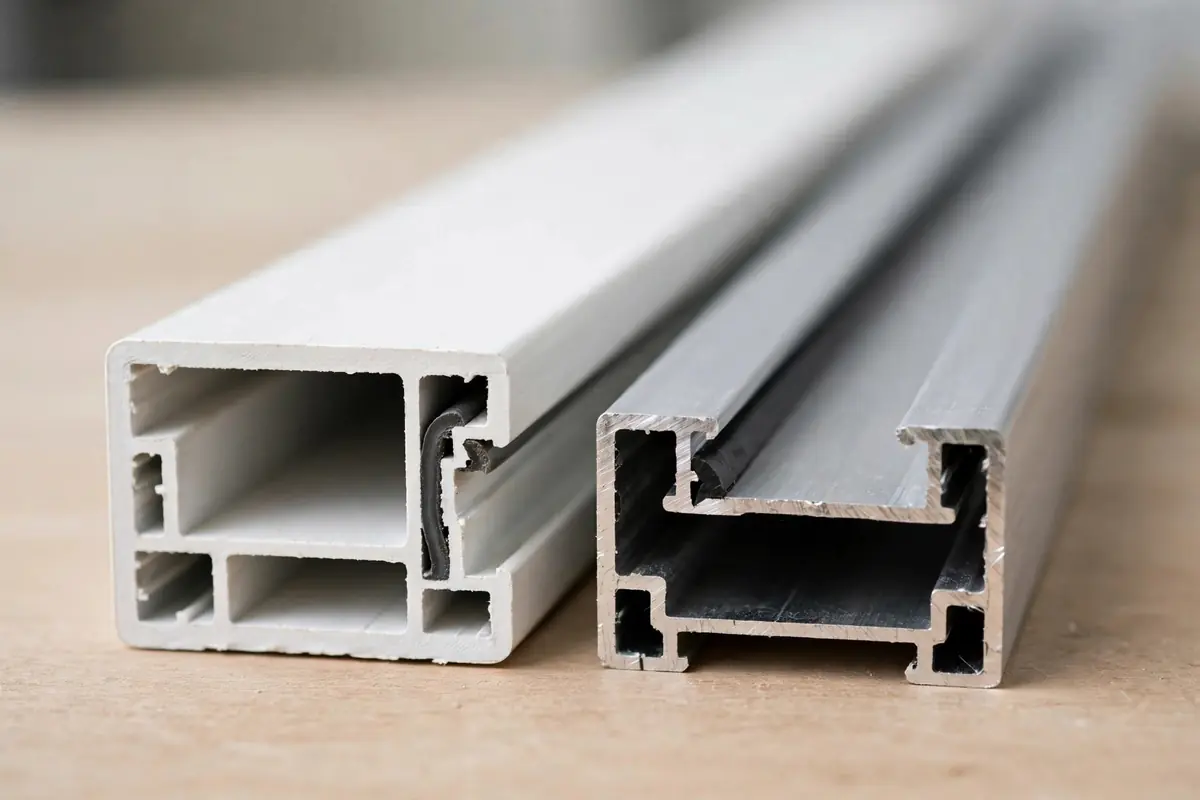
uPVC is a poor conductor of heat, which is exactly what you want in a window frame. Combined with multi-chamber profile design, uPVC frames provide genuine thermal insulation. In summer, less heat enters through the frame. In winter, less warmth escapes.
Aluminium is an excellent conductor of heat, which is exactly what you do not want. Standard aluminium frames act as thermal bridges, conducting outdoor heat directly indoors. In an Islamabad summer, an aluminium frame in direct sun gets hot to the touch, and that heat radiates into the room.
There is a caveat: thermally-broken aluminium exists, where a polyamide strip separates the inner and outer aluminium sections. This improves insulation significantly. However, thermally-broken aluminium systems cost substantially more than standard aluminium, often approaching or exceeding uPVC pricing, and they are less commonly available in Pakistan’s residential market.
Verdict: For thermal insulation, uPVC is the clear winner over standard aluminium. If insulation matters to you (and in Pakistan’s climate, it should), this is often the deciding factor.
Sound Insulation: uPVC Has the Edge
uPVC’s multi-chamber design and tight gasket sealing provide good sound dampening. Combined with double glazing, uPVC windows can meaningfully reduce traffic and neighborhood noise.
Aluminium frames, being rigid metal, transmit vibration more readily. Well-made aluminium windows with good seals and double glazing still perform adequately, but uPVC generally achieves better sound insulation at comparable price points.
Verdict: uPVC has a moderate advantage, especially for bedrooms facing roads.
Cost: Aluminium Is Cheaper Upfront
Standard aluminium windows cost less than quality uPVC systems in Pakistan. The material is cheaper, fabrication is simpler, and the market is highly competitive with many small workshops.
uPVC costs more upfront because the profiles are imported (Turkish or Chinese), the fabrication requires specialized welding equipment, and quality hardware adds to the price.
However, the cost picture changes over time. Aluminium windows may need more frequent maintenance (see below), and their poor insulation means higher air-conditioning costs over the years. The lifetime cost gap is narrower than the upfront price gap suggests, though we do not claim specific payback figures because every home differs.
Verdict: Aluminium wins on initial price. uPVC may close the gap over time through energy savings and lower maintenance, but the upfront difference is real.
Maintenance: uPVC Is Lower Maintenance
uPVC windows need minimal maintenance: occasional cleaning with soap and water, periodic checks of hardware and gaskets. They do not need painting, do not corrode, and do not fade significantly (quality profiles with good UV stabilizers).
Aluminium windows need more attention. Anodized or powder-coated finishes can scratch, chip, or fade over time, especially in harsh sun. Exposed aluminium can oxidize. Rollers and sliding mechanisms in aluminium windows tend to need more frequent adjustment and replacement.
Neither material is truly “zero maintenance,” despite what some sellers claim. But uPVC asks less of you over the years.
Verdict: uPVC requires less maintenance over its lifetime.
Durability and Lifespan
Both materials can last decades when properly manufactured and installed. Quality uPVC with good UV stabilizers resists Pakistan’s sun well. Cheap uPVC without adequate stabilizers can yellow and become brittle, which is why profile brand matters.
Aluminium does not degrade from UV, and it will not warp. But its finishes deteriorate, and the sliding mechanisms wear. In coastal areas (not BPC’s market, but worth noting), aluminium can suffer from salt corrosion.
Verdict: Roughly even, assuming quality products on both sides. The failure modes differ, but neither material is inherently short-lived.
Aesthetics and Design Flexibility
Aluminium offers slimmer sightlines (the visible frame width), which some architects prefer for a modern, minimal look. It can also be powder-coated in a wide range of colors.
uPVC frames are bulkier because the multi-chamber design requires more material. Color options are more limited, though white and woodgrain foils are available.
For most Pakistani residential projects, uPVC’s appearance is perfectly acceptable. For high-end architectural projects demanding ultra-slim frames, aluminium (or thermally-broken aluminium) may be preferred.
Verdict: Aluminium offers slimmer profiles and more color flexibility. uPVC is fine for most homes but less versatile aesthetically.
Security
Both can be secure with proper hardware. uPVC’s multi-point locking systems, which secure the sash at several points, are standard on quality systems and provide excellent security.
Aluminium windows typically use simpler locking mechanisms, though high-end systems can match uPVC. The frame material itself is less relevant to security than the lock quality and installation.
Verdict: Even, with a slight edge to uPVC at typical residential price points due to standard multi-point locking.
Suitability for Pakistani Conditions
Pakistan’s climate (intense summer heat, cold winters in the north, dust, monsoon rain) favors uPVC’s insulation and sealing properties. The dust sealing of uPVC’s gasket system is particularly valuable in dusty environments.
Aluminium’s main advantage in Pakistan is its lower upfront cost and widespread availability. For budget projects, rental properties, or commercial buildings where insulation is less critical, aluminium remains a practical choice.
Summary Comparison
| Factor | uPVC | Aluminium |
|---|---|---|
| Thermal insulation | Excellent | Poor (standard) / Good (thermally-broken) |
| Sound insulation | Good | Moderate |
| Upfront cost | Higher | Lower |
| Maintenance | Low | Moderate |
| Durability | Very good (quality profiles) | Good (finishes may degrade) |
| Aesthetics | Bulkier frames, limited colours | Slimmer, more colour options |
| Security | Excellent (multi-point locking standard) | Good (depends on hardware) |
| Dust sealing | Excellent (gasket system) | Moderate |
Our Honest Recommendation
Choose uPVC if: thermal insulation matters to you, you want low maintenance, noise reduction is a priority, or you are building a home you plan to live in for many years.
Choose aluminium if: budget is the primary constraint, you prefer slimmer frame aesthetics, or the application does not demand high insulation (e.g., a warehouse, a covered veranda, or a budget rental).
Choose thermally-broken aluminium if: you want aluminium aesthetics with better insulation and the budget allows the premium.
If you decide uPVC is right for you, our uPVC windows and doors page covers our Yagmurpen and Zhongcai systems. Our buyer’s comparison guide will help you evaluate any uPVC supplier.
Getting a Quote
BPC provides free site measurements and itemized written quotations for uPVC window projects.
Islamabad, Rawalpindi, Jhelum: WhatsApp 03126175608. Swat, Shangla, Dir, Buner, Peshawar: WhatsApp 03339477778.
FAQs
Are uPVC windows better than aluminium windows? For thermal insulation, sound insulation, and low maintenance, yes. For upfront cost and slimmer aesthetics, aluminium has advantages. The right choice depends on your priorities.
Do uPVC windows last as long as aluminium? Quality uPVC with proper UV stabilizers lasts decades in Pakistani conditions. Both materials are durable when well-made; they simply age differently.
Why are uPVC windows more expensive than aluminium? uPVC profiles are imported, fabrication requires specialized equipment, and quality hardware adds cost. Aluminium is locally abundant with simpler fabrication. The price gap reflects real material and process differences.
Can aluminium windows be made energy efficient? Thermally-broken aluminium significantly improves insulation, but it costs much more than standard aluminium and is less available in Pakistan’s residential market.
Which is better for a rental property? It depends on the rental segment. For budget rentals, aluminium’s lower cost may make sense. For mid to premium rentals where tenants value comfort and low energy bills, uPVC is a stronger selling point.
Does BPC install aluminium windows? BPC specializes in uPVC window systems. We do not offer aluminium windows.
Will uPVC windows yellow in the Pakistani sun? Quality profiles with adequate UV stabilizers (like Yagmurpen Turkish systems) resist yellowing well. Cheap profiles without proper stabilizers can discolor. This is why profile brand matters.
You May Also Like

Still have questions?
Chat with our team on WhatsApp for a free site visit and written quotation. We reply within minutes during working hours.