
The Noise Problem No Curtain Can Fix
If your bedroom faces a main road in Rawalpindi, a commercial plaza in Islamabad, or a busy bazaar street in Mingora, you know the problem: traffic, horns, and street noise that heavy curtains barely touch. Many homeowners searching for soundproof windows in Pakistan have already tried the curtain route and discovered its limits.

Here is the honest starting point. No window makes a room completely silent. What a properly specified window can do is reduce incoming noise substantially, turning intrusive street noise into a faint background hum. The difference between a basic single-glass window and a well-built double-glazed uPVC system is not subtle. It is the difference between being woken by traffic and sleeping through it.
This guide explains how sound travels through windows, what actually reduces it, and where the limits are, so you can invest wisely. BPC Company supplies and installs Yagmurpen Turkish and Zhongcai Chinese uPVC window systems with double-glazing options from our Islamabad and Swat branches.
How Sound Gets Through Your Windows
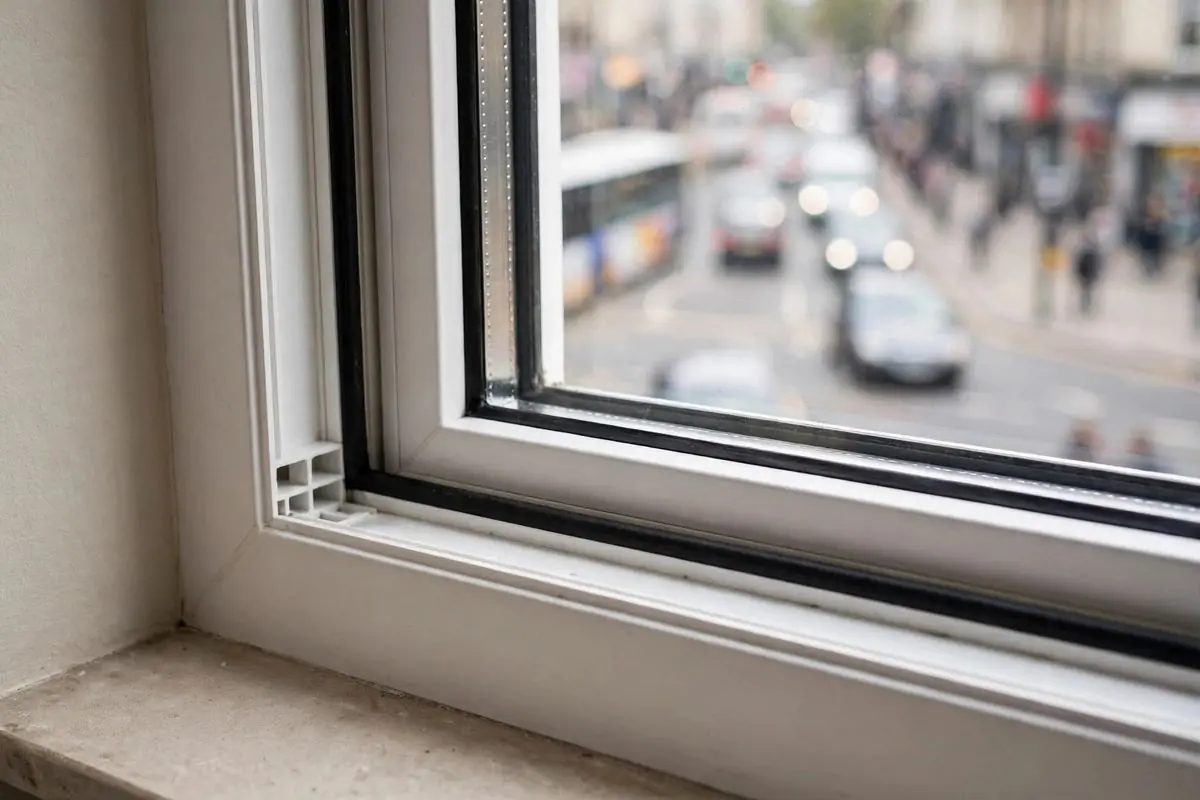
Sound enters through three paths. The glass itself vibrates and transmits sound. Gaps around the frame, between the sash and frame, and where the frame meets the wall let sound leak straight through. And thin, lightweight frames transmit vibration more readily than solid, well-sealed ones.
Most older windows in Pakistan fail on all three paths: thin single glass, worn-out seals or no seals at all, and frames that were never designed for acoustic performance. That is why replacing the whole window system, not just adding a thicker curtain, is what produces real results.
What Actually Reduces Noise: The 5 Factors
1. Double Glazing
Two panes of glass separated by an air gap outperform a single pane significantly. The air gap breaks up sound transmission: sound vibrates the outer pane, loses energy crossing the gap, and arrives at the inner pane weakened. Wider gaps generally perform better than narrow ones, and the two panes work best when they are of different thicknesses, because each thickness blocks different sound frequencies.
For bedrooms facing busy roads, double glazing is the single most effective upgrade. It also brings thermal insulation benefits, cutting heat transfer and air-conditioning load in summer.
2. Laminated Glass
Laminated glass, two glass layers bonded with a plastic interlayer, adds meaningful noise reduction beyond standard double glazing. The interlayer dampens vibration, which is particularly effective against low-frequency noise like heavy traffic rumble and bass sounds. If your main problem is trucks and buses rather than horns, ask specifically about laminated options.
3. Frame Seals and Gaskets
This is the factor most buyers overlook and one of the most important. A window is only as soundproof as its weakest gap. Quality uPVC systems use EPDM rubber gaskets that compress when the window closes, sealing the sash against the frame all around. Multi-point locking pulls the sash tight against these seals at several points, eliminating the small gaps where sound leaks through.
Worn, hardened, or missing seals are why many old windows seem to “let in more noise than the glass should.” When comparing systems, ask about the gasket quality and the locking mechanism, not just the glass.
4. Frame Quality and Reinforcement
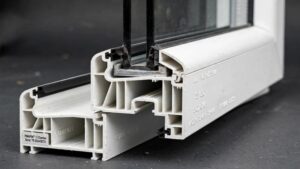
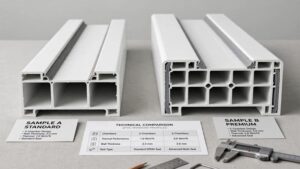
A solid, steel-reinforced uPVC frame vibrates less and seals better than a flimsy one. Profile wall thickness, internal chambers, and proper steel reinforcement all contribute. This is another reason to insist on named profile systems like Yagmurpen in your quotation: the frame specification is part of the acoustic performance, not just the glass.
5. Professional Installation
Even the best window underperforms if it is installed badly. Gaps between the frame and the wall opening, poorly sealed with foam or left unsealed, become direct channels for sound. Professional installation includes correct fixing, proper insulation of the perimeter gap, and sealing inside and out. BPC installs with our own trained teams because we have seen how much performance is lost to careless fitting.
Honest Limits: What Windows Can and Cannot Do
A well-specified double-glazed uPVC window can cut perceived noise dramatically, but it cannot eliminate it. Low-frequency vibration from very heavy traffic or nearby construction may still be faintly felt. And windows only address one path: if your walls are thin or your door has gaps, sound will find those routes instead.
The realistic expectation is a room that feels calm and quiet, where street noise drops to a distant background level. For most bedrooms and studies, that is exactly what is needed. Anyone promising “100% soundproof” windows is overselling. Ask for realistic expectations, not magic.
Glass Options Compared for Noise
Standard double glazing handles general street noise well and suits most residential situations. Double glazing with one laminated pane steps up performance against traffic rumble and is worth considering for main-road-facing bedrooms. Triple glazing exists but is uncommon in the Pakistani residential market and usually unnecessary; well-designed double glazing with proper seals achieves what most homes need.
Your supplier should match the glass specification to each room. A bedroom facing the road deserves the better specification. A store room or a room facing a quiet courtyard does not need it. Room-by-room specification is a sign of honest selling.
What to Ask Before You Buy
- Is the glass double glazed? What are the pane thicknesses and the air gap width?
- Is laminated glass available, and for which rooms do you recommend it?
- What gasket system does the profile use? Is locking multi-point?
- Which profile brand and system is quoted? Is steel reinforcement included?
- Does installation include proper perimeter sealing of the frame-to-wall gap?
- What noise reduction should I realistically expect for my specific situation?
Getting the Right Windows for a Quieter Home
The right approach starts with understanding your noise problem: which rooms, which noise sources, and what level of quiet you need. BPC offers free site visits where we assess your current windows, discuss the noise sources room by room, and recommend a specification that matches, without overselling.
For Islamabad, Rawalpindi, and Jhelum, WhatsApp us at 03126175608. For Swat, Shangla, Dir, Buner, and Peshawar, reach us at 03339477778.
To understand the full window system behind the glass, read our uPVC windows price guide and explore our uPVC windows and doors. If heat as well as noise is a concern, our heat-control window films cover retrofit options for existing glass.
FAQs
Do double-glazed windows really reduce noise? Yes, noticeably. The air gap between two panes breaks up sound transmission far better than a single pane. Combined with quality seals and proper installation, the difference in a bedroom facing a busy road is dramatic.
Can any window make a room completely soundproof? No. Well-specified windows reduce noise substantially but cannot eliminate it entirely, especially low-frequency vibration. Be cautious of any supplier promising total silence.
Is laminated glass worth it for noise? For traffic-heavy locations, yes. The bonded interlayer in laminated glass dampens vibration and performs particularly well against low-frequency rumble from trucks and buses that standard double glazing handles less effectively.
Do seals matter as much as the glass? They matter enormously. Sound leaks through gaps, and worn or missing seals around the sash are often the weakest point. Multi-point locking with quality EPDM gaskets is a core part of any genuinely quiet window.
Will new windows also help with heat and dust? Yes. The same sealing that blocks sound also blocks dust ingress and air leakage, and double glazing cuts heat transfer. Noise, dust, and heat control come as a package with a proper uPVC system.
Should every window in the house be soundproof specification? Not necessarily. Prioritize bedrooms and study rooms, especially those facing roads. Rooms facing quiet courtyards or used for storage can use standard specification. Room-by-room planning keeps the budget sensible.
How do I know my current windows are the noise problem? Stand near the window and then move to an interior wall. If noise drops significantly away from the window, the window is the main path. Check for visible gaps, feel for air movement around the frame on a windy day, and look at whether seals are intact.
Do you assess noise issues during the site visit? Yes. During our free site visit we look at your current windows, identify the noise paths room by room, and recommend a glass and frame specification matched to your situation.
You May Also Like

Still have questions?
Chat with our team on WhatsApp for a free site visit and written quotation. We reply within minutes during working hours.