
What Is a Chaukhat and Why the Material Matters
The chaukhat, the door frame, is the structural backbone of every doorway. It carries the door's weight, anchors it to the wall, and takes the daily stress of opening and closing. Yet it is the part of the doorway most buyers think about least, until it fails. A warped wooden chaukhat that no longer holds the door square, or a termite-eaten frame crumbling at the base, turns a good door into a daily annoyance.
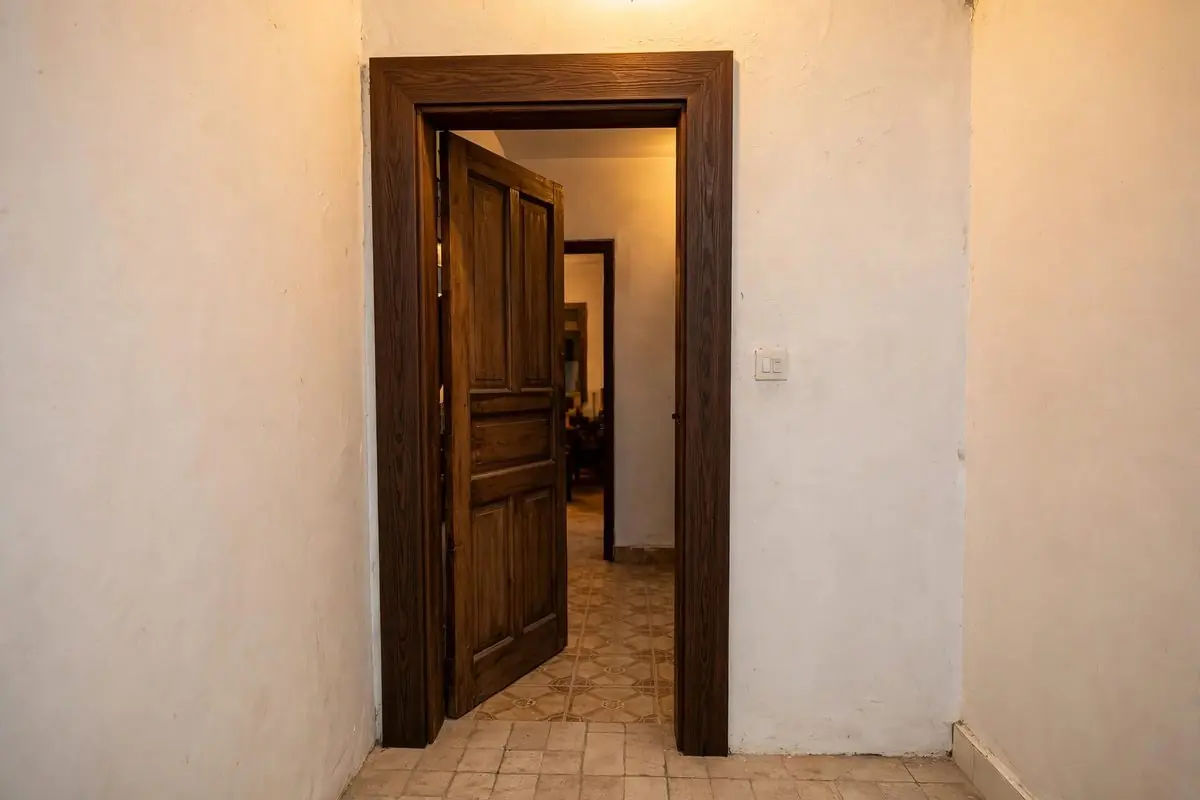
In Pakistan, the traditional choice has been wooden chaukhats, usually sheesham or deodar. But wood has well-known enemies: termites, moisture, and warping. In bathrooms and kitchens, where water exposure is constant, wooden frames have a short unhappy life. This is why engineered alternatives, WPC (wood-plastic composite) and HDPE (high-density polyethylene) door frames, have gained serious traction.
This guide explains the difference between WPC and HDPE chaukhats, what drives their cost, and how to choose. BPC Company specializes in HDPE door frames, a premium engineered alternative to both wood and WPC, supplied and installed from our Islamabad and Swat branches.
WPC Door Frames: The Basics
WPC, wood-plastic composite, combines wood fiber with plastic polymers to create a frame material that looks somewhat like wood but resists the problems that destroy wooden frames. WPC chaukhats do not absorb water the way solid wood does, they resist termites, and they do not warp with humidity changes.
WPC frames are widely available in Pakistan and generally positioned as a mid-range option between basic wooden frames and premium engineered alternatives. They can be painted or finished to resemble wood, which appeals to buyers who want the wooden look without wooden problems.
The limitations are worth understanding. WPC is a composite, and its performance depends heavily on the ratio of wood fiber to polymer and the quality of manufacturing. Lower-grade WPC can swell at cut edges if not properly sealed, and its screw-holding strength, while adequate, does not match solid materials.
HDPE Door Frames: The Engineered Alternative
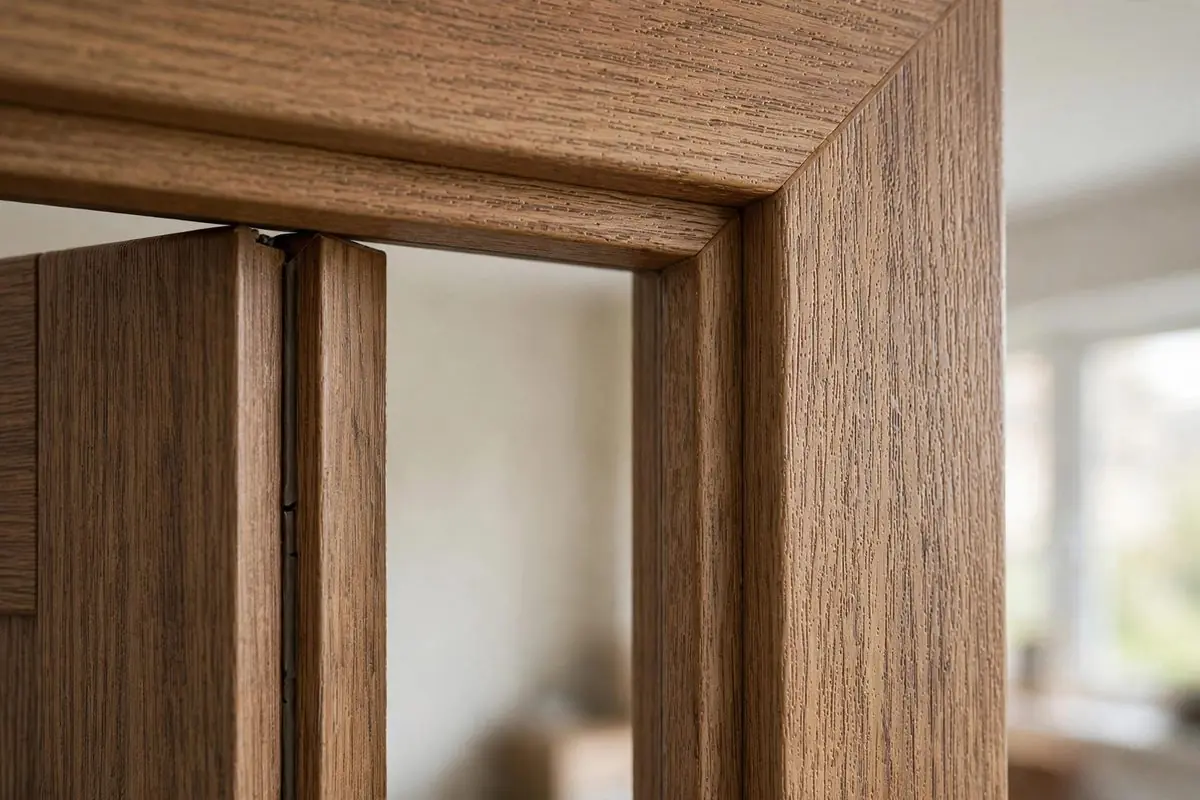
HDPE, high-density polyethylene, is a solid polymer material with no wood content at all. BPC's HDPE door frames are manufactured as a complete engineered system designed specifically to replace wooden chaukhats.
Because HDPE contains no organic material, termites have nothing to eat. It does not absorb water, so bathroom and kitchen installations that destroy wood in a few years are non-issues. It does not warp, crack, or rot. The material is dimensionally stable across Pakistan's temperature and humidity swings.
HDPE frames accept screws and hardware securely, can be cut and worked with standard tools, and take paint finishes. For buyers comparing on total cost of ownership rather than just purchase price, the absence of maintenance and replacement costs is the core argument.
Our HDPE door frames page details the system, but the short version is this: where WPC is an improved compromise, HDPE is a clean break from wood's problems entirely.
HDPE vs WPC: Direct Comparison
Moisture resistance. Both outperform wood significantly. HDPE, being 100% polymer, has effectively zero water absorption. WPC absorbs minimal moisture but the wood fiber content means cut edges and damaged surfaces need attention.
Termite resistance. Both resist termites far better than wood. HDPE's complete absence of wood fiber gives it the edge in termite-prone areas.
Structural strength. HDPE frames provide consistent density throughout the section. WPC strength varies with formulation quality. For heavy solid doors, frame strength matters because the frame carries the full door weight on its hinges.
Finish and appearance. Both can be painted. WPC's wood fiber content gives it a slightly more wood-like texture under paint. HDPE takes paint cleanly and holds it well.
Lifespan in wet areas. This is where the difference is starkest. In bathrooms, where frames face daily water exposure, HDPE's zero absorption is a decisive advantage. WPC performs well but demands proper edge sealing during installation.
Cost position. WPC chaukhats are generally priced below HDPE frames in the Pakistani market. HDPE commands a premium that reflects its material cost and manufacturing. The honest comparison is not purchase price alone but cost over the frame's service life, including the replacements that wood, and sometimes WPC, eventually need.
What Determines Chaukhat Price in Pakistan
- Material. Wood vs WPC vs HDPE, as compared above. Material is the primary cost driver.
- Frame size and section. Standard door openings vs larger or custom sizes. Heavier sections for main doors cost more than standard room door frames.
- Single vs double rebate. Frames for single doors vs double doors differ in profile complexity.
- Finish. Primed, painted, or natural finish. Factory finishing costs more than site painting but gives a more consistent result.
- Quantity. Whole-house frame packages, where all door frames are supplied together, are more economical per unit than one-off replacements.
- Installation. Proper frame installation includes plumb and level setting, secure fixing to the wall, and gap sealing. A poorly installed premium frame performs worse than a well-installed standard one.
- Hardware preparation. Pre-machined hinge recesses and lock preparations vs site-cut. Factory preparation is more precise.
BPC quotes door frames based on your actual door schedule: the number of frames, their sizes, and the material you choose. We recommend deciding the frame material before finalizing doors, because the frame and door work as a system.
Where Each Material Makes Sense
Bathrooms and kitchens. HDPE is the clear recommendation. Constant moisture exposure is exactly what destroys wood and stresses WPC. The premium for HDPE pays for itself in these locations first.
Bedrooms and living areas. Both WPC and HDPE perform well. The choice often comes down to budget and whether you prefer the slightly wood-like texture of WPC.
Main entrances. Structural strength matters most here because entrance doors are heavy. HDPE's consistent density is an advantage, though quality WPC also serves.
Rental properties and budget projects. WPC offers meaningful improvement over wood at a moderate premium. For projects where upfront cost is the binding constraint, WPC is a rational choice.
Premium homes and commercial projects. HDPE throughout gives consistency, zero maintenance concern, and a single material specification across all door types.
Getting Door Frames from BPC
Share your door schedule or floor plan, or simply tell us how many doors and which rooms. We advise on material selection room by room, because the honest answer is often HDPE for wet areas and a choice for dry areas, rather than one material everywhere.
For Islamabad, Rawalpindi, and Jhelum, WhatsApp 03126175608. For Swat, Shangla, Dir, Buner, and Peshawar, WhatsApp 033394777778.
Pair your frames with our door solutions for complete door-and-frame packages, or explore our HDPE door frames in detail.
FAQs
What is the difference between WPC and HDPE door frames? WPC (wood-plastic composite) combines wood fiber with polymer. HDPE (high-density polyethylene) is 100% polymer with no wood content. Both resist termites and moisture far better than wood, but HDPE's complete absence of organic material gives it superior moisture immunity, especially in bathrooms.
Are WPC chaukhats good for bathrooms? They perform much better than wood in bathrooms, but cut edges must be properly sealed during installation because the wood fiber content can absorb moisture at exposed surfaces. For bathrooms, we generally recommend HDPE as the more foolproof option.
Do HDPE door frames look like plastic? Installed and painted, HDPE frames look like any well-finished door frame. The material is a substrate, not a finished appearance. Paint adheres well and the frame reads as a clean, sharp-edged chaukhat, not as plastic.
Can HDPE frames hold heavy wooden doors? Yes. HDPE has consistent density and good screw-holding strength throughout the section. Heavy doors need proper hinge specification regardless of frame material, which we address during the door-and-frame consultation.
How do I maintain WPC or HDPE frames? Very little maintenance is needed compared to wood. No anti-termite treatment, no warping repairs. Occasional cleaning and paint touch-ups on the same schedule as your doors. That is essentially it.
Which is cheaper, WPC or HDPE chaukhat? WPC chaukhats are generally priced below HDPE frames in the Pakistani market. We do not publish fixed rates because sizes and quantities vary, but we quote both options transparently so you can compare on equal terms.
Do you supply frames without doors? Yes. We supply frame-only packages for clients who are sourcing doors separately, as well as complete door-and-frame packages. We recommend confirming door weights before finalizing frame specifications.
How long do HDPE door frames last? HDPE does not rot, warp, or suffer termite damage, which are the failure modes that end wooden frames. With correct installation, the service life is measured in decades rather than years.
You May Also Like

Still have questions?
Chat with our team on WhatsApp for a free site visit and written quotation. We reply within minutes during working hours.